Handling and Tire Wear Patterns
Tires and Alignment in Oakland for uneven tread wear, vehicle pulling, and handling changes
Tires wear unevenly across the tread surface, the steering wheel sits off-center when driving straight, or the vehicle drifts to one side without constant steering correction. These patterns indicate alignment angles have shifted from specification or that tire condition no longer supports safe handling and traction. Divine Automotive Services inspects tire tread depth, wear patterns, and sidewall condition while measuring alignment angles to determine whether handling concerns result from suspension geometry, tire damage, or both. Proper alignment and tire maintenance support predictable vehicle tracking on highway routes, local roads with potholes and surface irregularities, and wet pavement conditions common during Oregon's extended rainy seasons.
Alignment service measures camber, caster, and toe angles at each wheel and compares readings to manufacturer specifications, then adjusts angles to restore factory geometry. Tire inspection evaluates tread depth across the full width of each tire, checks for cupping, feathering, or shoulder wear that signals alignment or suspension problems, and identifies punctures, sidewall bulges, or aging that requires replacement regardless of remaining tread.
Schedule a tire and alignment inspection when wear becomes visible, when steering feel changes, or when you notice the vehicle pulling to one side during normal driving.
What Proper Tire and Alignment Service Requires
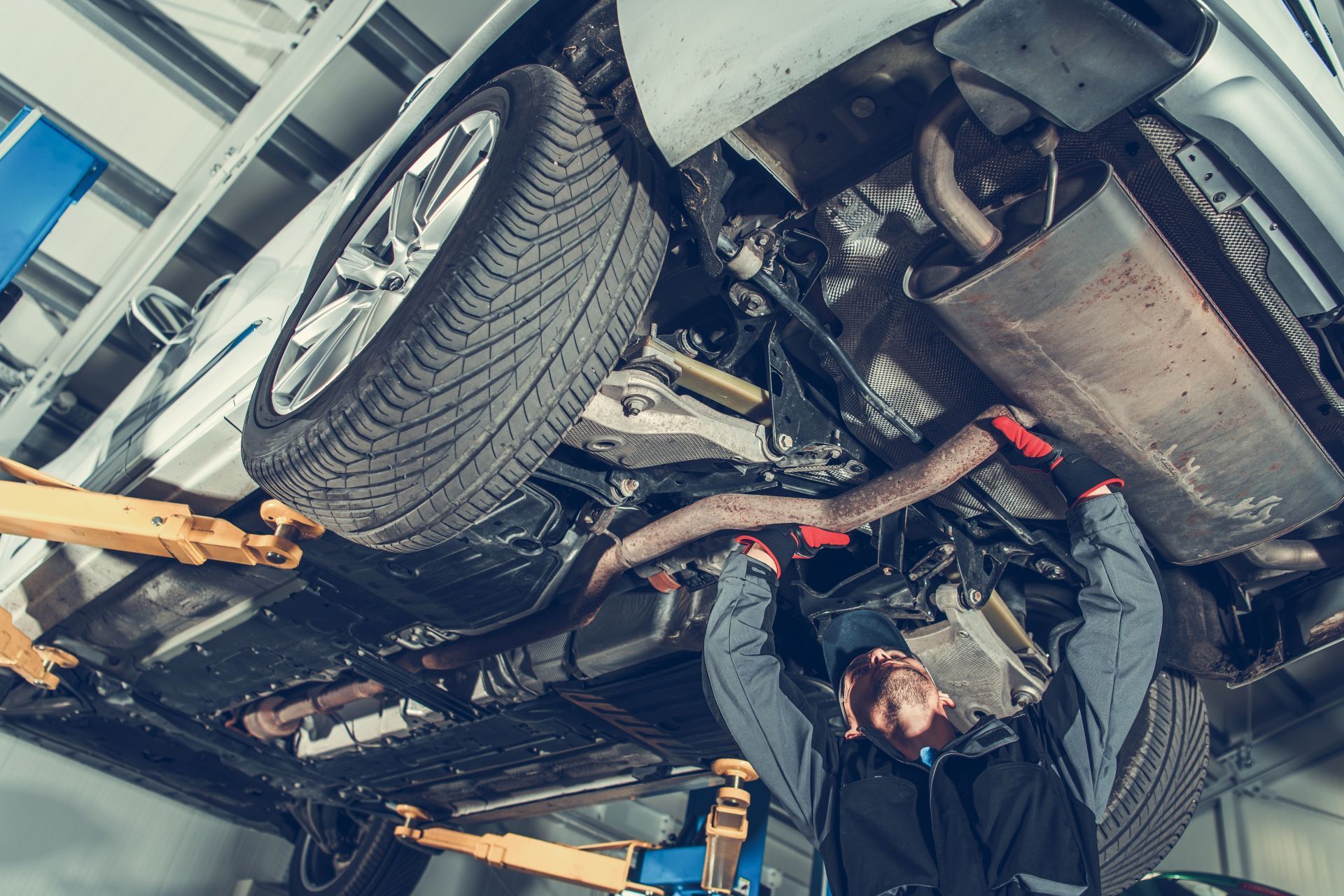
Alignment corrections use precision measuring equipment to set camber, caster, and toe within manufacturer tolerances, and adjustments compensate for suspension wear, load carrying, and driving conditions that affect handling. Tire replacement includes mounting, balancing, and installing valves, while tread depth measurement and rotation extend tire life by moving wear to different positions before patterns become severe.
You'll notice that the steering wheel centers itself without hand pressure when driving straight, that the vehicle tracks in a consistent line without drifting, and that tire wear progresses evenly across the tread surface rather than concentrating on inner or outer shoulders. Properly aligned suspension geometry reduces rolling resistance, improves fuel efficiency slightly, and prevents premature tire replacement caused by accelerated wear patterns.
Alignment service adjusts angles to specification but does not include replacing worn suspension components such as ball joints, control arm bushings, or tie rod ends that may prevent proper adjustment until those parts are renewed. Tire service includes mounting and balancing but does not cover custom wheels, lift kit modifications, or tire sizes outside manufacturer recommendations.
Questions Before Starting Your Project
Tire condition and alignment geometry affect safety, handling predictability, and operating costs, and customers throughout Oakland and Douglas County ask similar questions before arranging inspection.
What causes uneven tire wear even when alignment was recently performed?
Uneven wear can develop from worn suspension components that allow excessive movement, improper tire pressure that concentrates wear on shoulders or center treads, or alignment angles that shift after hitting potholes or curbs, and inspection identifies whether the suspension, alignment settings, or tire maintenance caused the pattern.
How do you measure alignment angles and determine adjustments?
Alignment equipment uses sensors mounted to each wheel that measure camber, caster, and toe angles in degrees and minutes, then compares readings to manufacturer specifications and calculates the adjustments needed to bring angles back within tolerance ranges.
When should I replace tires based on tread depth rather than waiting for visible wear?
Tires should be replaced when tread depth reaches four thirty-seconds of an inch in wet climates like Oregon, because shallow treads lose grip on wet pavement and increase stopping distances, and waiting until tread reaches the legal minimum of two thirty-seconds reduces safety margins during rain.
Why does the vehicle pull to one side after hitting a pothole or curb?
Impact forces can shift suspension components and change toe or camber angles, causing the vehicle to pull toward the side with altered geometry, and alignment measurement confirms whether angles moved outside specification and require adjustment to restore straight tracking.
What tire and alignment concerns appear more often in Oakland's road conditions?
Potholes, gravel surfaces, and uneven pavement edges cause impacts that shift alignment angles and damage tire sidewalls, while wet roads expose worn tread that no longer channels water effectively, and seasonal temperature changes affect tire pressure and require monitoring to maintain even wear patterns.
Inspecting tires and alignment when handling changes or wear patterns develop prevents accelerated tire replacement costs and maintains vehicle tracking predictability during varied driving conditions. Divine Automotive Services measures alignment geometry and evaluates tire condition to recommend service based on measured wear and specification tolerances, and you can request an inspection whenever steering behavior or visible tread wear raises questions.