Control and Ride Quality on Local Roads
Suspension and Steering Repair in Oakland for vehicles experiencing pulling, uneven tire wear, or handling changes
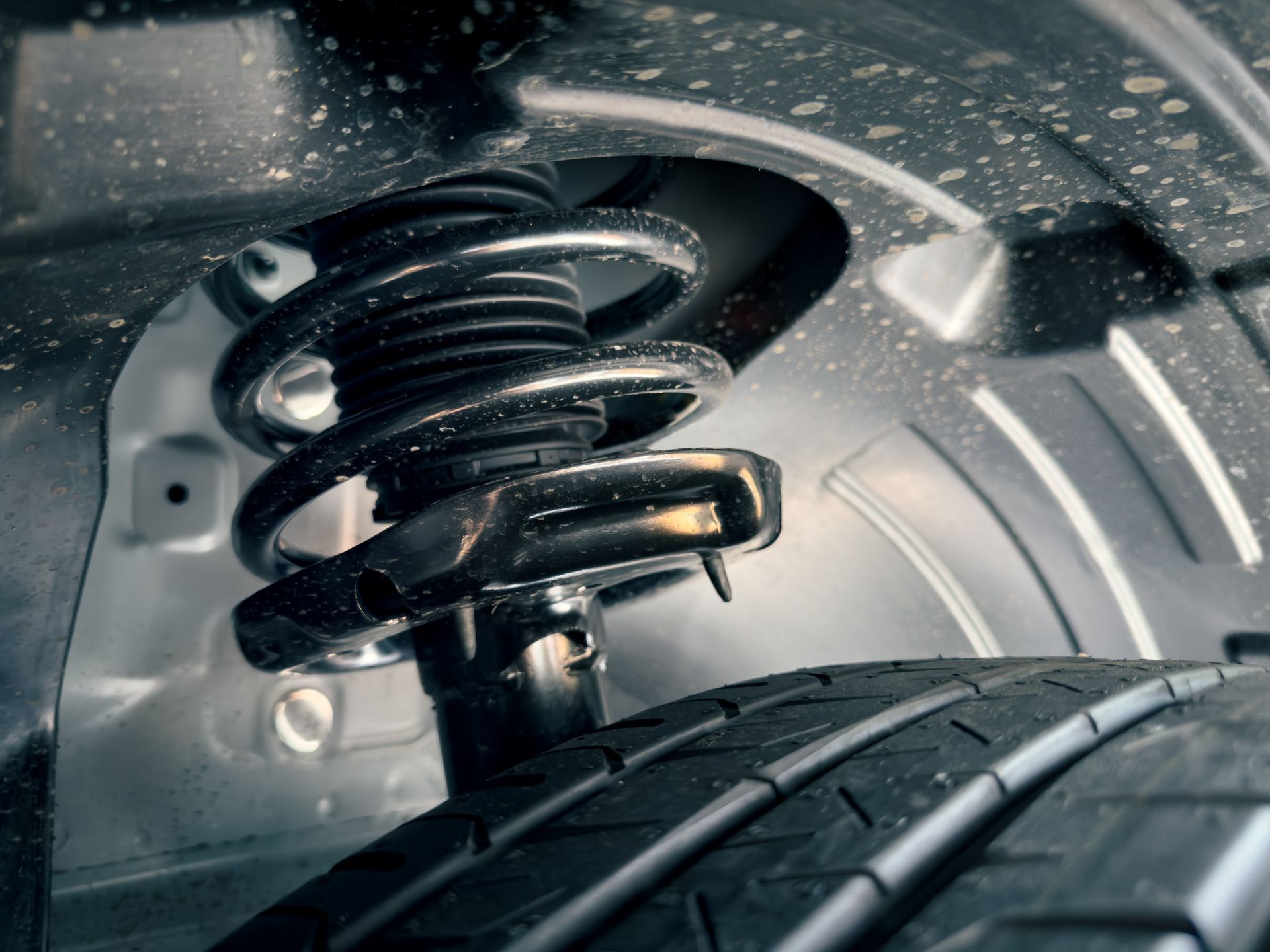
When steering feels loose, your vehicle pulls to one side, tires wear unevenly, or you feel excessive bouncing over bumps, those symptoms indicate suspension or steering components that need inspection. These systems control tire contact with the road, distribute weight during turns and braking, and maintain predictable handling on everyday streets and rural roads around Oakland. Divine Automotive Services inspects ball joints, tie rod ends, control arms, shocks, struts, and steering linkage to identify worn or damaged parts before they compromise vehicle control or accelerate tire replacement costs.
Suspension and steering inspection involves checking for play in joints, measuring alignment angles, evaluating shock absorber performance, and examining bushings and mounts that connect components to the frame. Wear patterns on tires often reveal which part of the system is failing.
Schedule service when handling or ride quality changes so worn components can be replaced before they affect safety or create additional damage.
What Changes After Suspension and Steering Work
Suspension and steering systems rely on tight tolerances and undamaged components to keep tires aligned and to absorb road irregularities without transferring excessive force into the cabin. When ball joints wear, shocks lose damping ability, or tie rods develop play, you lose the precise control needed for safe lane changes, cornering, and emergency maneuvering.
After repair, the vehicle tracks straight without constant steering correction, responds predictably during turns, and absorbs bumps without harsh impacts or body roll. Tire wear becomes even across the tread surface instead of feathering on one edge, which extends tire life and confirms that alignment is holding.
The service may include replacing worn ball joints or tie rod ends, installing new shocks or struts, tightening or replacing control arm bushings, and performing an alignment to restore factory specifications. Parts that still meet tolerance remain in place rather than being replaced unnecessarily.
Answers to Suspension and Steering Questions
Understanding what suspension and steering service involves helps you recognize when inspection is needed and what the repair process addresses.
What are common signs of suspension or steering problems?
Pulling to one side, wandering within the lane, excessive bouncing after bumps, uneven or rapid tire wear, clunking noises over rough roads, or a loose feeling in the steering wheel all indicate components that need evaluation.
How does suspension wear affect tire life?
Worn suspension components allow the tire to tilt out of alignment, which causes uneven contact with the road and accelerates wear on one edge of the tread, requiring earlier tire replacement even if tread depth remains adequate in other areas.
Why is alignment performed after suspension repair?
Replacing suspension components changes the angles that control how tires contact the road, and alignment restores those angles to factory specifications so tires wear evenly and the vehicle tracks straight without pulling.
When should suspension service be scheduled in Oakland?
Any noticeable change in handling, ride quality, or tire wear patterns warrants inspection, because suspension damage progresses and affects control, comfort, and operating costs the longer it's left unaddressed.
What's the difference between shocks and struts?
Shocks dampen spring movement and control body motion, while struts perform the same function but also serve as a structural part of the suspension, supporting vehicle weight and maintaining wheel position during steering and braking.
Suspension and steering repair restores the vehicle control and ride quality you need for safer, more comfortable travel on local and rural roads. Divine Automotive Services evaluates handling concerns to identify the specific components requiring replacement, so bring your vehicle in when behavior changes and the issue can be corrected.