Shifting Behavior That Needs Professional Inspection
Automatic Transmission service in Oakland for vehicles experiencing delayed engagement, slipping, or abnormal shifting
Delayed engagement when shifting into drive, slipping between gears, unusual noises during acceleration, or leaks forming under your vehicle all indicate that your automatic transmission requires evaluation. Divine Automotive Services inspects transmission behavior alongside fluid condition and related drivetrain components to determine what's causing the change in performance. Transmission concerns don't resolve on their own, and early inspection often identifies manageable wear before it escalates into a complete failure that leaves you stranded.
The service involves checking fluid level and condition, inspecting for leaks at seals and cooler lines, and evaluating how the transmission responds during shifting cycles. Transmission fluid that appears dark, smells burnt, or contains metallic particles signals internal wear that requires further diagnosis.
Arrange an inspection when transmission behavior changes so the underlying cause can be identified before the problem worsens.
How Transmission Condition Affects Daily Driving
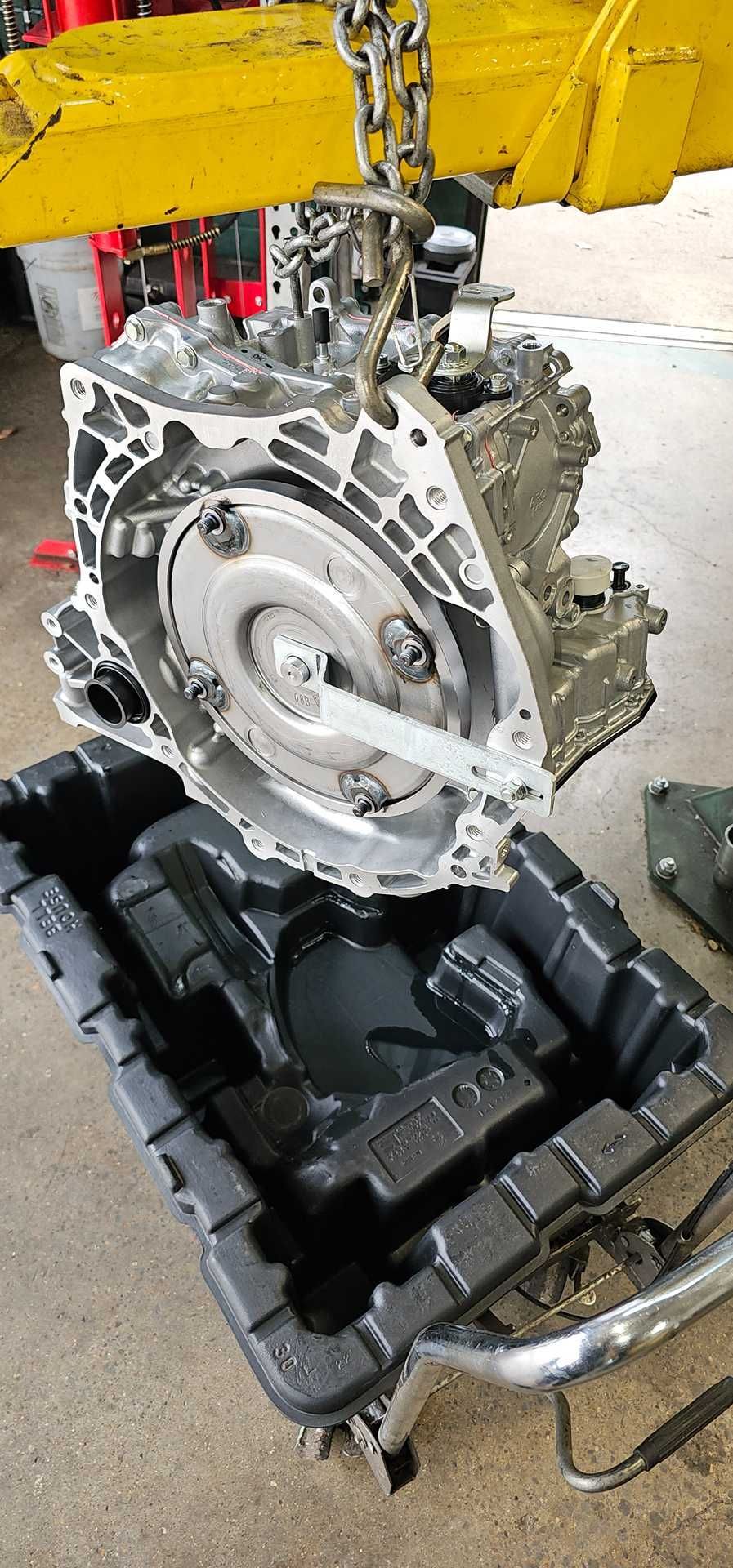
Automatic transmissions rely on hydraulic pressure, friction materials, and electronic controls working together to shift smoothly under varying loads. When any of these systems degrade, you'll notice hesitation during acceleration, harsh engagement, or gears that don't hold under load, particularly during highway merges or hill climbs common around the Umpqua Valley.
Once the repair or adjustment is completed, shifting becomes smooth and predictable again, restoring the confidence you need for local and highway driving. You'll no longer feel the slip or delay that made you question whether the vehicle would accelerate when needed.
Transmission service may involve fluid and filter replacement, solenoid replacement, seal repair, or internal component work depending on what the inspection reveals. The scope of work is determined after evaluating the specific symptoms and their causes, not before.
What to Know About Transmission Service
Transmission concerns raise questions about timing, cost, and what's actually failing, and these answers clarify what the service process involves.
What symptoms indicate a transmission problem?
Delayed engagement when shifting into gear, slipping during acceleration, harsh or erratic shifts, transmission warning lights, unusual noises, or fluid leaks are all signs that inspection is needed.
Why is fluid condition checked during transmission inspection?
Transmission fluid lubricates moving parts, transfers hydraulic pressure, and cools internal components, so its color, smell, and particle content reveal whether internal wear is occurring and how advanced that wear has become.
How does transmission service differ from a fluid change?
A fluid change is preventive maintenance, while transmission service addresses specific performance issues by diagnosing the cause of abnormal shifting behavior and repairing the affected components.
When should I schedule transmission inspection in Oakland?
As soon as you notice a change in shifting quality, because transmission damage accelerates quickly once internal components begin to fail, and early intervention often prevents more extensive repair.
What's included in a transmission evaluation?
The process includes a test drive to replicate the concern, fluid inspection, scan tool diagnosis of electronic controls, and visual inspection of external components such as cooler lines, seals, and mounts.
Reliable shifting matters for smoother local and highway driving, and Divine Automotive Services evaluates transmission behavior to identify the cause before recommending work. Schedule a transmission inspection when performance changes so the issue can be addressed while it's still manageable.