Diesel Systems Built for Different Operating Demands
Light Vehicle Diesel Engines in Oakland for trucks and SUVs with starting delays, power loss, excessive smoke, or warning lights
A diesel engine that cranks longer than usual before firing, produces black or white smoke during acceleration, loses power under load, or triggers glow plug and injection system warnings requires diagnosis specific to compression ignition operation and fuel delivery architecture. Divine Automotive Services addresses concerns in light-duty diesel trucks and SUVs by testing glow plug resistance, measuring fuel pressure at the rail, scanning for injector balance faults, inspecting exhaust components for restriction, and evaluating intake air temperature sensor data that affects combustion timing. You notice the difference when the engine starts immediately in cold weather, pulls trailers without excessive exhaust smoke, and maintains steady power on highway grades.
Diesel fuel systems operate under significantly higher pressure than gasoline injection, which means small leaks or air intrusion at fittings and seals cause hard starting, rough idle, and misfires that do not occur in spark-ignition engines. Glow plugs preheat combustion chambers to ensure reliable cold starts, and when one or more fail, the engine struggles to fire until heat from cranking builds compression temperature high enough to ignite fuel without assistance.
Schedule diagnostic testing by describing the symptoms your diesel vehicle shows and when they occur.
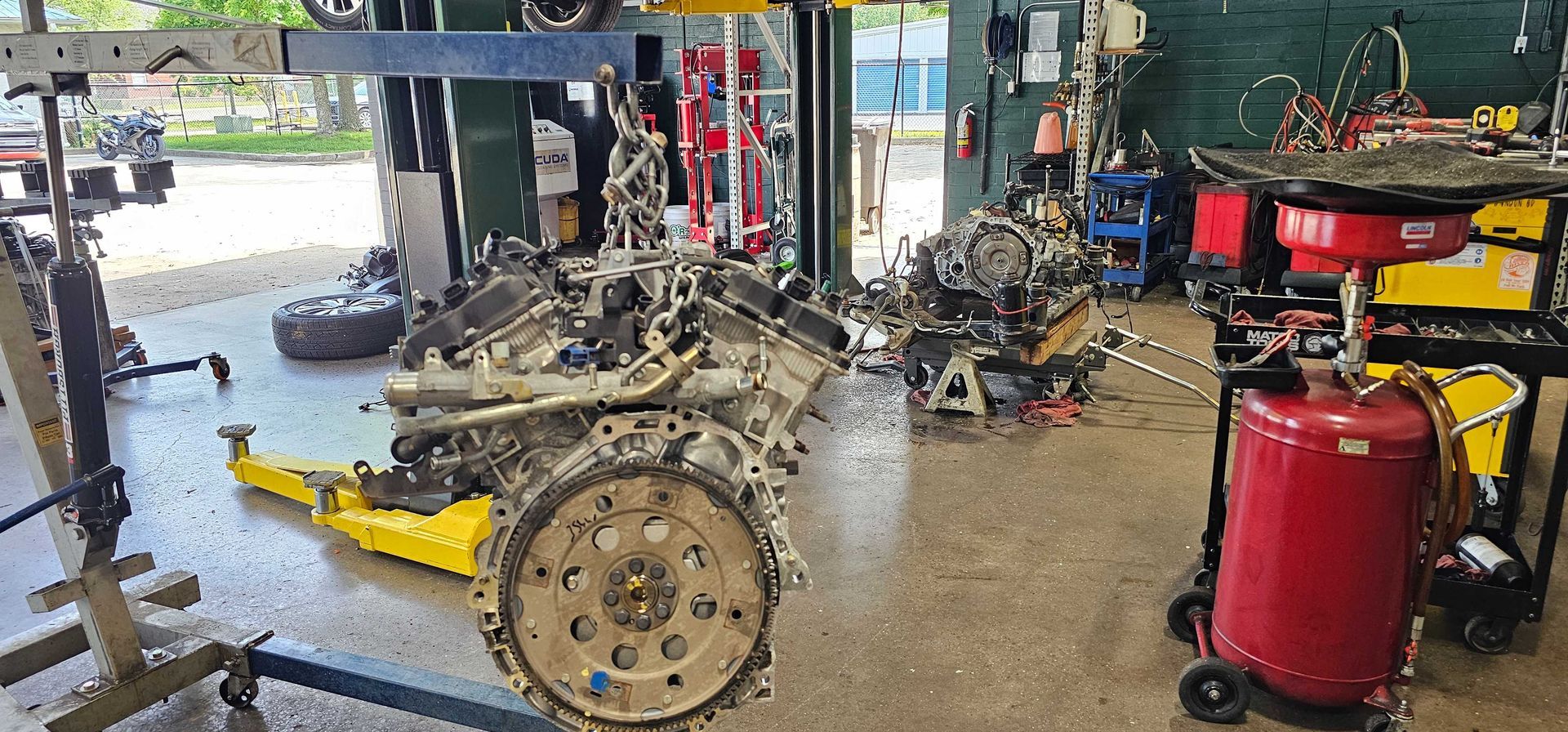
How Diesel Service Addresses Fuel and Air Delivery
Technicians connect scan tools that read live fuel pressure data, monitor injector pulse width and timing, check exhaust gas recirculation valve operation, and test turbocharger boost levels to identify whether performance loss originates from restricted fuel supply, faulty injection, clogged intake components, or exhaust backpressure. They inspect fuel filters for water accumulation and contamination that clogs injector nozzles, measure glow plug current draw to find failed heating elements, and examine diesel particulate filter pressure differential to detect clogging that restricts exhaust flow.
Once the work is finished, your diesel vehicle starts within two or three seconds of turning the key even in freezing Oakland mornings, pulls loads without black smoke trailing from the exhaust, and maintains boost pressure across the entire RPM range. The engine idles smoothly without the shaking or noise that indicates misfiring cylinders, and you do not see repeated regeneration cycles or warning messages about exhaust system faults.
This service covers diagnosis and repair of light-duty diesel systems found in pickups and SUVs. It does not extend to heavy-duty commercial applications, modifications for increased power output, or emissions system deletion that violates federal and Oregon state regulations. If your diesel requires parts replacement, the shop explains what failed component caused the symptom and why the operating conditions or contamination contributed to that failure.
Answers to Frequent Diesel Service Questions
Diesel owners often ask about the differences between gasoline and diesel diagnostics, cold-weather performance, and what symptoms indicate fuel system versus glow plug problems before bringing vehicles in.
What makes diesel engine diagnosis different from gasoline engine service?
Diesel systems rely on compression heat and precise injection timing rather than spark plugs, which means diagnostics focus on fuel pressure accuracy, glow plug function, air intake temperature, and exhaust restriction instead of ignition coil output and spark delivery.
Why does my diesel truck struggle to start when temperatures drop below freezing in Oakland?
Glow plugs heat the combustion chamber to compensate for cold air that reduces compression temperature, so when one or more glow plugs fail or the controller does not energize them long enough, the engine cranks repeatedly before fuel ignites.
How do I know whether hard starting is caused by glow plugs or fuel delivery issues?
If the engine eventually fires and runs smoothly once warm, glow plugs are likely at fault; if it continues to misfire, stumble, or produce white smoke after starting, air intrusion or low fuel pressure from a failing lift pump or clogged filter is more probable.
What does black smoke during acceleration indicate about my diesel engine?
Excessive black smoke means the engine is receiving more fuel than available oxygen can burn, which typically results from a restricted air filter, malfunctioning turbocharger that does not build boost, or injectors that leak fuel into cylinders when closed.
Can diesel vehicles in rural Douglas County areas experience more fuel contamination?
Yes—fuel stored in smaller rural tanks or delivered less frequently can accumulate water and sediment, which clogs filters and damages high-pressure injection components if not caught during routine filter replacement intervals.
Divine Automotive Services diagnoses diesel concerns by testing the systems unique to compression ignition operation rather than applying gasoline engine troubleshooting methods. Call (541) 221-7586 with your vehicle year, make, engine size, and the symptoms you are experiencing to discuss diagnostic steps.